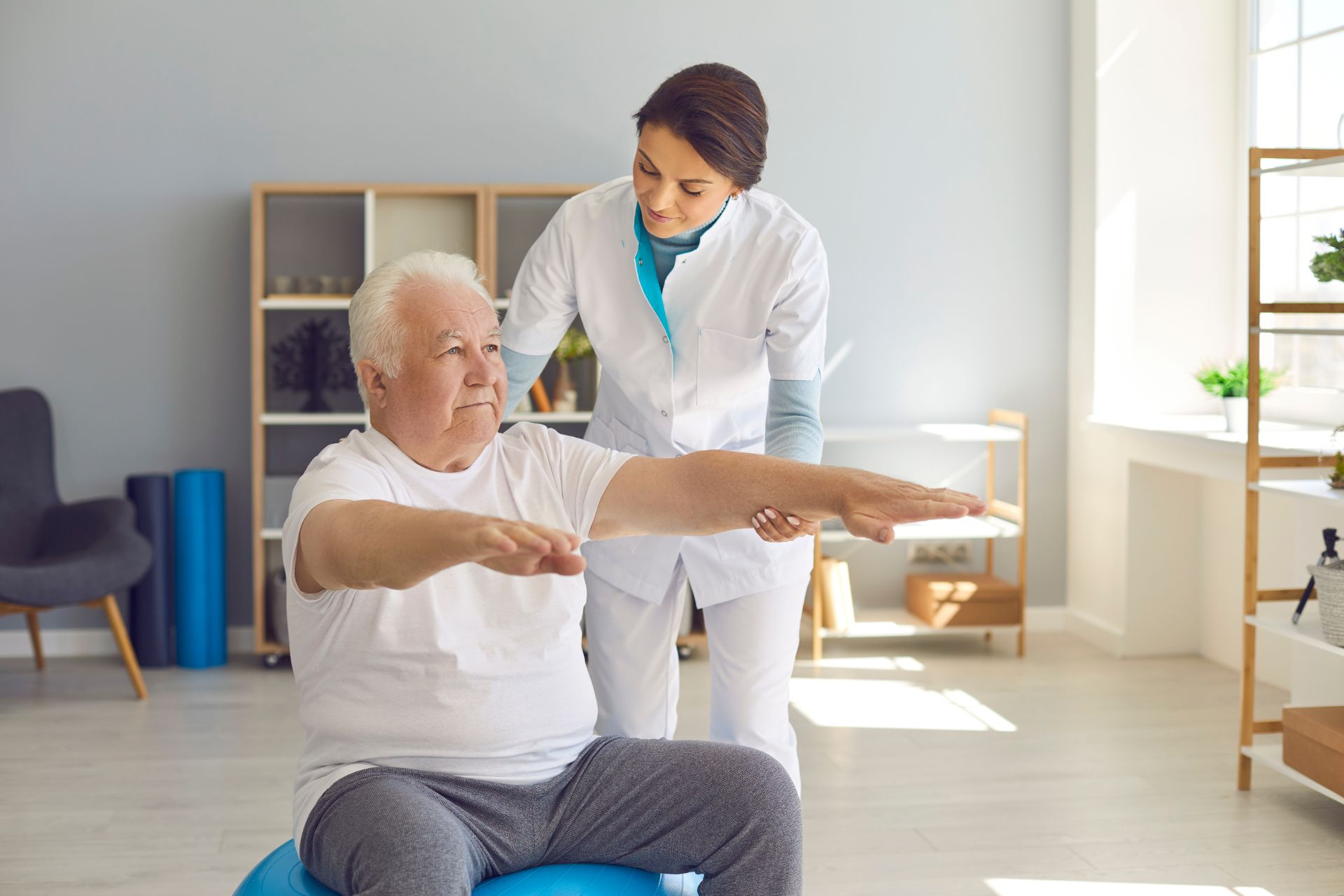
Neuromuscular Re-Education Techniques for Chronic Joint Injuries

Neuromuscular Re-Education Techniques for Chronic Joint Injuries

Explore effective neuromuscular re-education techniques for chronic joint injuries, designed to enhance mobility and reduce pain. Discover how these innovative methods can support recovery and improve overall joint function.

How do proprioceptive neuromuscular facilitation (PNF) techniques enhance joint stability in patients with chronic knee injuries?

Proprioceptive neuromuscular facilitation (PNF) techniques are highly effective in enhancing joint stability, particularly for patients with chronic knee injuries. These rehabilitation methods focus on improving proprioception, which is the body’s ability to sense its position and movement in space. By incorporating stretching and contracting of muscles through specific patterns, PNF promotes muscle coordination around the knee joint, fostering better alignment and function during daily activities or sports. Techniques like hold-relax or contract-relax not only increase flexibility but also stimulate the nervous system to enhance muscular control over time; this results in improved balance and stability by strengthening both agonist and antagonist muscle groups surrounding the knee. Additionally, as these exercises often require dynamic movements that mimic real-life situations, they help retrain neuromuscular pathways crucial for maintaining proper biomechanics under physical stressors such as jumping or pivoting. Consequently, patients experience a decrease in pain perception due to enhanced muscular support around injured structures while simultaneously promoting healing through increased blood circulation within affected tissues. Overall, integrating PNF into rehabilitation programs assists individuals recovering from chronic knee issues by building functional strength and resilience against future injuries via improved proprioceptive feedback mechanisms essential for optimal joint performance.

Effective pain management techniques in physical therapy can significantly enhance recovery and improve overall quality of life. By exploring these methods, you will gain insights into various strategies that help alleviate discomfort and promote healing. To learn more about effective approaches to pain management in physical therapy, visit modern therapy modalities to speed up athletic recovery

What role does eccentric muscle training play in the recovery of shoulder function after rotator cuff injuries?

Eccentric muscle training plays a significant role in the recovery of shoulder function following rotator cuff injuries by focusing on strengthening and rehabilitating the muscles around the shoulder joint, particularly through lengthening contractions. This type of exercise involves controlling movements as muscles elongate under tension, which is crucial for restoring stability and improving overall functional capacity after an injury. By engaging in eccentric exercises, patients can enhance their muscular endurance while also promoting tendon healing and reducing pain associated with rotator cuff tears or tendinitis. Furthermore, this approach helps to increase strength without placing excessive strain on already compromised tissues, thus facilitating a gradual return to normal activities such as lifting overhead or performing repetitive motions that are essential for daily tasks. Eccentric training has been shown to improve proprioception—the body’s ability to sense movement—leading to better coordination during rehabilitation exercises and everyday functions. Integrating these specific types of movements into physical therapy not only aids in rebuilding confidence but also minimizes the risk of re-injury by correcting biomechanical imbalances that may have developed due to compensatory patterns caused by previous pain or dysfunction. Ultimately, incorporating eccentric muscle training within a comprehensive rehabilitation program can lead individuals toward achieving optimal shoulder mobility and functionality post-rotator cuff injury more effectively than traditional concentric-focused approaches alone.

In what ways can functional electrical stimulation be utilized to improve motor control during rehabilitation for ankle sprains?

Functional electrical stimulation (FES) can play a significant role in enhancing motor control during rehabilitation for ankle sprains by facilitating muscle contractions and improving neuromuscular function. This technique involves delivering small electrical impulses to specific muscles around the ankle, which helps activate them even when voluntary movement is limited due to injury. FES can aid in reducing muscle atrophy, promoting blood circulation, and increasing range of motion through controlled movements that mimic normal gait patterns. By targeting key muscles such as the tibialis anterior and gastrocnemius, FES encourages proper foot positioning and stability while walking or standing, thereby preventing further injuries or complications associated with poor balance. Additionally, incorporating FES into therapy regimens may enhance proprioceptive feedback mechanisms, allowing individuals recovering from an ankle sprain to develop better kinesthetic awareness of their limb position relative to their body dynamics. Over time, this method not only fosters strength development but also aids in re-establishing neural pathways related to motor control functions essential for everyday activities like running or jumping post-injury recovery. Furthermore, optimal integration of functional electrical stimulation within therapeutic exercises could potentially accelerate rehabilitation timelines while ensuring safer return-to-sport strategies are implemented effectively after sustaining an ankle injury.

How might mirror therapy contribute to neuroplasticity and pain reduction in individuals suffering from chronic wrist conditions?

Mirror therapy can significantly enhance neuroplasticity and alleviate pain in individuals dealing with chronic wrist conditions by utilizing the brain's ability to reorganize itself through experience and visual feedback. This innovative therapeutic approach involves placing a mirror between the patient's actual hand and a reflective image of an unaffected hand, creating an illusion that tricks the brain into perceiving movement in the injured wrist. As patients engage in simple movements with their healthy limb while observing its reflection, they may stimulate areas of the brain responsible for motor control and sensory perception related to that region. The process not only fosters neural connections but also retrains motor pathways affected by injury or dysfunction, which is crucial for recovery from conditions such as carpal tunnel syndrome or tendonitis. Additionally, this technique can effectively reduce chronic pain sensations associated with these disorders; as patients witness improved mobility through mirrored imagery, it can diminish maladaptive pain responses linked to nerve damage or prolonged disuse. By promoting positive mental associations with movement while decreasing fear avoidance behaviors commonly observed in those suffering from long-term injuries, mirror therapy serves as a valuable tool that harnesses cognitive mechanisms alongside physical rehabilitation strategies to facilitate healing and restore functional capabilities over time.

What specific neural pathways are targeted through vestibular training when addressing balance issues related to hip joint instability?

Vestibular training, which focuses on stimulating the body's balance system primarily through exercises that engage the vestibular apparatus in the inner ear, targets several key neural pathways related to proprioception and coordination. These pathways include connections between the vestibular nuclei and various regions of the central nervous system, such as the cerebellum, brainstem, and spinal cord. By enhancing these connections, vestibular training helps improve sensory integration by allowing for better processing of information from visual cues and proprioceptive feedback while also optimizing motor responses to maintain stability during dynamic movements or when encountering instability due to hip joint issues. Moreover, this type of training activates specific neuronal circuits involved in postural control and reflexes like the righting reaction that are crucial for maintaining equilibrium despite disruptions caused by hip instability. As a result, individuals undergoing vestibular rehabilitation can experience improvements not only in their static balance but also in dynamic gait patterns through enhanced cortical mapping associated with movement strategies aimed at compensating for any deficits arising from compromised hip stability. Overall, targeted engagement of these neural pathways is essential for facilitating recovery processes related to balance disorders linked with musculoskeletal conditions affecting proper function around critical joints like those found at the hips.

Frequently Asked Questions

Proprioceptive exercises are essential in neuromuscular re-education for chronic knee injuries as they enhance body awareness, improve joint stability, and facilitate the rehabilitation of proprioception deficits. These exercises often include balance training on unstable surfaces, such as wobble boards or foam pads, which challenge the sensory feedback systems responsible for spatial orientation and coordination. By engaging muscle receptors and promoting neuromuscular control, proprioceptive activities help to restore functional movement patterns while reducing the risk of recurrent injury through improved kinesthetic sense. Furthermore, incorporating dynamic movements that mimic sports-specific tasks aids in optimizing motor performance and strengthening muscular synchronization around the knee joint. This comprehensive approach addresses underlying biomechanical imbalances and fosters adaptive neural pathways critical for effective recovery from chronic conditions like patellofemoral pain syndrome or ligament sprains.

Electrical stimulation can be effectively incorporated into a rehabilitation program for shoulder joint instability by utilizing neuromuscular electrical stimulation (NMES) to enhance muscle activation, improve proprioception, and facilitate motor control of the rotator cuff and scapular stabilizers. This approach aids in strengthening key muscles such as the supraspinatus, infraspinatus, teres minor, and subscapularis while simultaneously promoting muscular endurance and coordination necessary for joint stability. By applying targeted electrical impulses during specific therapeutic exercises—such as isometric contractions or functional movements—clinicians can optimize recruitment patterns that mimic dynamic stabilization tasks encountered during daily activities or sports. Additionally, integrating biofeedback mechanisms may help patients achieve greater awareness of their shoulder mechanics throughout recovery phases. The combined effects of electrical stimulation on reducing pain perception through gate control theory further contribute to enhanced range of motion (ROM) restoration and overall patient compliance with prescribed rehabilitation protocols aimed at mitigating recurrence risks associated with glenohumeral instability.

Effective balance training techniques for ankle sprain recovery through neuromuscular re-education include proprioceptive exercises such as single-leg stands, wobble board activities, and dynamic stability tasks that enhance kinesthetic awareness. Utilizing tools like balance discs or foam pads can further challenge the vestibular system while promoting postural control and muscle coordination. Incorporating functional movement patterns like heel-to-toe walking, lateral hops, and agility drills not only improves joint stability but also strengthens the surrounding musculature to prevent future injuries. Additionally, integrating visual feedback mechanisms during these exercises may augment motor learning by reinforcing correct alignment and technique under varying conditions of instability. By systematically progressing from static to more complex dynamic challenges, individuals can effectively retrain their neuromuscular pathways for optimal performance during daily activities and sports participation.

Targeted motor control retraining can significantly improve outcomes in patients with chronic hip pain by enhancing neuromuscular coordination, optimizing joint mechanics, and facilitating proprioceptive awareness. This therapeutic approach focuses on correcting movement patterns that contribute to dysfunction and discomfort through specific exercises designed to strengthen the surrounding musculature, including the gluteal muscles and hip flexors. By promoting optimal biomechanics during activities of daily living, patients may experience reduced pain levels, improved range of motion, increased functional capacity, and enhanced overall quality of life. Additionally, integrating strategies such as feedback mechanisms and gradual progression can further reinforce correct movement habits while addressing underlying biomechanical deficits associated with conditions like osteoarthritis or tendinopathy in the hip region.

Integrating mental imagery strategies in neuromuscular re-education protocols for wrist joint injuries significantly enhances proprioceptive feedback and motor planning, facilitating a more effective rehabilitation process. By utilizing visualization techniques, patients can engage in cognitive rehearsals that strengthen neural pathways associated with movement patterns while simultaneously reducing pain perception and anxiety levels. This dual approach not only promotes cortical remapping but also aids in improving muscle coordination, strength retention, and functional task performance during the recovery phase. The incorporation of such imagery-based interventions contributes to increased motivation and adherence to therapeutic exercises, ultimately leading to better clinical outcomes and faster return-to-sport readiness for individuals recovering from ligament sprains or tendonitis affecting the wrist joint.

Neuromuscular Re-Education Techniques for Chronic Joint Injuries

Neuromuscular Re-Education Techniques for Chronic Joint Injuries

Contact Us

Alpine Physical Therapy and Fitness

  • Address: 3130 Alpine Rd Suite 370, Portola Valley, CA 94028
  • Phone: (650) 242-0777
  • Email: alpineptfit@mail.com

© Copyright - All Rights Reserved